How to Walk on Wet Epoxy Without Leaving Footprints
Walking across wet epoxy can easily leave footprints, uneven areas, tool marks, or other permanent defects. However, flooring installers sometimes need to move across a freshly coated surface to operate a roller, remove bubbles, broadcast decorative flakes, or reach difficult areas.
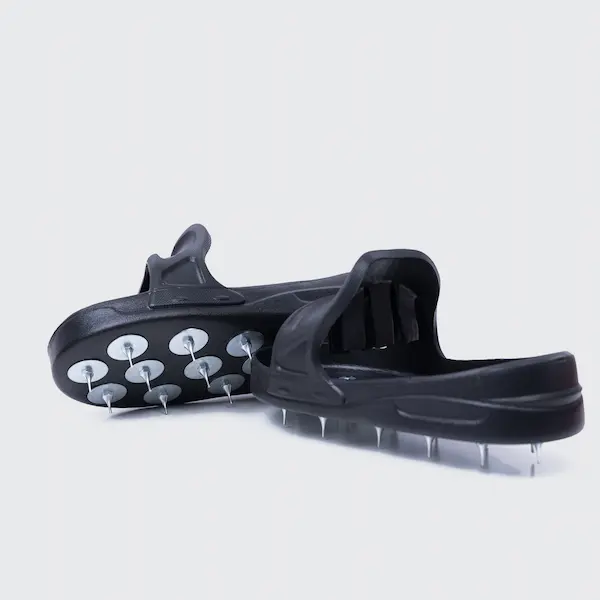
The safest solution is to use suitable epoxy spiked shoes together with the correct walking technique. This guide explains how professionals move across wet epoxy while reducing damage to the floor.
Can You Walk on Wet Epoxy?
You should never walk directly on wet epoxy wearing ordinary work boots or shoes. Standard footwear has a large contact surface that displaces the coating and leaves visible footprints.
Professional spiked shoes distribute the installer’s weight across multiple narrow spikes. This reduces direct contact with the coating and allows the material to flow back into the small puncture points.
Spiked shoes do not make every wet floor safe to walk on. Always check the epoxy manufacturer’s instructions, working time and recommended application method before stepping onto the coating.
Why Ordinary Shoes Leave Footprints
Fresh epoxy remains fluid until the curing process advances. When ordinary shoes press into the surface, they can:
- Push epoxy away from the contact area
- Create deep and visible footprints
- Introduce dirt or moisture
- Produce uneven coating thickness
- Damage decorative flakes or surface patterns
- Leave marks that remain visible after curing
Trying to repair these areas later can increase labour time and may require sanding and recoating.
Use Professional Epoxy Spiked Shoes
Spiked shoes are designed to be worn over work boots or other secure footwear. The spikes create small contact points instead of pressing a complete outsole into the wet coating.
They are commonly used during:
- Epoxy floor coating
- Self-leveling flooring installation
- Spiked roller operation
- Decorative flake broadcasting
- Bubble removal
- Surface inspection and correction
Choose a stable pair with secure straps, a rigid platform and spikes suitable for the coating thickness.
Choose the Correct Spike Length
Spike length should be selected according to the depth and viscosity of the flooring material.
Shorter spikes are generally suitable for thin epoxy coatings. Longer spikes may be needed for thicker coatings or self-leveling compounds.
If the spikes are too short, the platform may touch the wet surface. If they are unnecessarily long, walking can become less stable.
Common spike lengths include:
- 20 mm for thinner coating applications
- 28 mm for general epoxy flooring work
- 36 mm for thicker flooring materials
- 50 mm for deeper self-leveling applications
Always compare the spike length with the expected material thickness before starting work.
How to Walk on Wet Epoxy Correctly
1. Put the Spiked Shoes on Outside the Wet Area
Place your work boot securely inside each spiked shoe and tighten all straps. Check that the platform does not move independently from your foot.
Do not attempt to put the shoes on while standing on the wet surface.
2. Test the Fit and Balance
Walk several steps on a clean, dry area before entering the coating. Make sure:
- The straps remain tight
- The platform stays centred
- All spikes are securely installed
- Your feet do not slide inside the shoes
- You can maintain your balance
Replace loose or damaged spikes before use.
3. Enter the Floor Carefully
Step vertically onto the wet coating rather than dragging your foot across the edge. Keep your body upright and move slowly.
Avoid sudden movements, long strides and sharp turns.
4. Lift Each Foot Straight Up
The most important technique is to lift your feet vertically. Do not slide or shuffle the spiked shoes across the surface.
Sliding can pull the coating, create lines and disturb the finish.
Use short, controlled steps and place each foot down gently.
5. Follow a Planned Route
Before entering the wet area, decide where you need to walk and how you will exit. This reduces unnecessary movement and prevents you from becoming trapped in the middle of the floor.
Work systematically from one side of the project toward the exit.
6. Avoid Standing Still
Standing in one position for too long may create visible depressions, especially in thicker or slower-flowing materials.
Keep moving steadily without rushing.
7. Exit the Floor Slowly
When leaving the wet area, step onto a protected dry surface. Remove the spiked shoes carefully without transferring epoxy onto surrounding floors.
Common Mistakes to Avoid
Wearing Loose Spiked Shoes
Loose straps can cause the platform to move beneath the work boot, increasing the risk of slipping or creating unwanted marks.
Walking Too Quickly
Fast movements make it difficult to lift the spikes vertically and can cause coating displacement.
Dragging the Spikes
Dragging creates grooves and lines that may not disappear before the epoxy cures.
Using Damaged or Uneven Spikes
A missing or bent spike creates uneven weight distribution and reduces stability.
Wearing the Wrong Spike Length
Spikes that are too short may allow the platform to touch the coating. Excessively long spikes can make walking more difficult.
Ignoring the Epoxy Working Time
As epoxy begins to cure, it becomes less able to flow back and repair small spike holes. Leave the surface before the coating reaches this stage.
Will Spike Holes Disappear?
In properly mixed and freshly applied epoxy, the material will usually flow back into the small holes left by the spikes. This depends on several factors:
- Epoxy viscosity
- Coating thickness
- Surface temperature
- Working time
- Curing stage
- Spike size
- Walking technique
The longer the epoxy has been curing, the less effectively it can level itself. Complete all walking operations within the manufacturer’s recommended working time.
Clean the Spiked Shoes After Use
Do not allow cured epoxy to build up around the spikes or platform. Follow the epoxy manufacturer’s cleaning recommendations and safety data sheet.
Inspect the shoes after every project and check for:
- Loose screws
- Bent spikes
- Cracked platforms
- Damaged straps
- Cured material buildup
Keeping the shoes clean and properly maintained improves stability on future projects.
Safety Considerations
Wet epoxy can be slippery, and uncured materials may cause skin or eye irritation. Always follow the product manufacturer’s safety instructions.
Use suitable personal protective equipment, including:
- Protective work boots
- Chemical-resistant gloves
- Eye protection
- Appropriate work clothing
- Respiratory protection when required
Spiked shoes are application tools and do not replace proper safety footwear or site-specific risk controls.
Final Thoughts
Walking on wet epoxy without leaving footprints requires suitable spiked shoes, careful planning and controlled movement. Secure the shoes over your work boots, select the correct spike length and lift each foot vertically instead of sliding it.
The correct technique helps protect the finish while allowing installers to roll the coating, remove bubbles and reach different areas of the floor efficiently.